Reahap — VR Physical Rehabilitation
Gamified VR therapy that turns physiotherapy movements into game mechanics — with adaptive difficulty and a clinician dashboard behind it.
★★★★☆ 4.5 on Clutch · 50+ projects · 20+ clients · since 2021
What it changed.
Gamified VR exercises mapped to standard physiotherapy movements, increasing patient engagement
Clinician dashboard for remote monitoring of patient session data and progress
Comfort-optimized VR design calibrated to minimize fatigue for patients with limited physical capacity
Project facts.
- Year
- 2024
- What we built
- VR Development · Gamification · Healthcare Platform Design
- Platforms
- Meta Quest
- Stack
- Unity · C# · Meta Quest SDK
See it running.
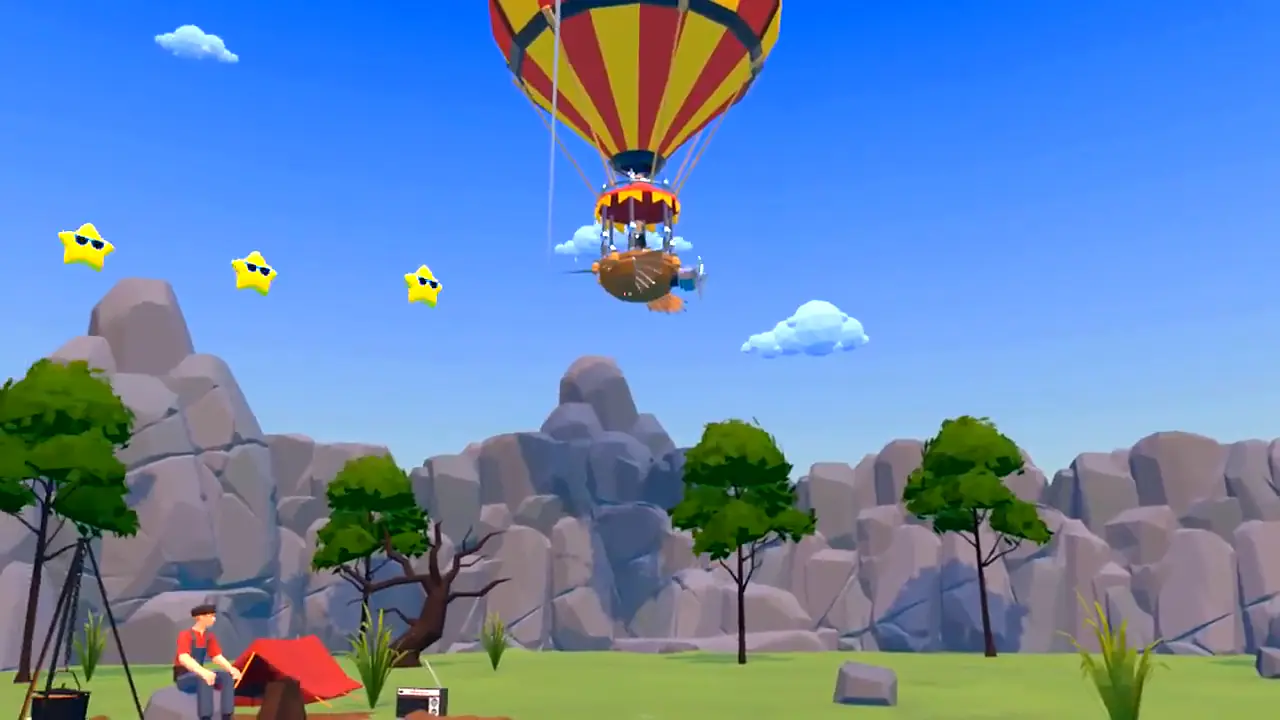
Overview
Reahap is a VR physical rehabilitation platform that harnesses the motivational power of gamification to transform the therapy experience. Physical rehabilitation is notoriously difficult — patients struggle with pain, boredom, and a lack of visible progress, leading to low adherence and slower recovery. Reahap uses VR to turn therapeutic exercises into engaging, rewarding experiences that patients actually want to return to.
The Challenge
Physical rehabilitation has one of the highest dropout rates in healthcare. Patients are often given repetitive exercise regimens with little feedback, no sense of achievement, and no enjoyment. Clinicians needed a solution that could:
- Increase patient engagement and exercise adherence
- Provide personalized exercise programs that adapt to individual recovery needs
- Give clinicians visibility into patient performance and progress
- Be accessible and comfortable for patients who may be unfamiliar with VR
- Integrate with existing rehabilitation protocols rather than replacing them
Our Solution
Virtual Verse Studio built Reahap as a gamified VR therapy platform that works alongside clinical rehabilitation programs:
- Gamified therapeutic exercises — standard physiotherapy movements are translated into VR game mechanics, so patients are reaching, stretching, and rotating as part of meaningful in-game actions rather than isolated repetitions
- Personalized difficulty scaling — the platform adapts exercise intensity and range-of-motion targets based on individual patient progress and clinician-defined parameters
- Real-time feedback and rewards — patients receive immediate visual and audio feedback on their movements, with reward systems that celebrate consistency and improvement
- Clinician dashboard — therapists can monitor patient session data, track progress over time, and adjust programs remotely
- Comfort-first VR design — interface design and session length were carefully calibrated to minimize VR fatigue, making the platform usable even for patients with limited physical capacity
Key Features
- Gamified VR exercises mapped to physiotherapy movements
- Adaptive difficulty based on individual patient progress
- Real-time feedback and reward system
- Clinician monitoring and program management
- Comfort-optimized design for healthcare contexts
Results & Impact
Reahap demonstrated that gamification in VR can meaningfully address one of rehabilitation medicine’s biggest challenges: keeping patients engaged. Patients who used the platform reported higher motivation and enjoyment compared to traditional exercise protocols, and clinicians observed improved session adherence — translating directly into better recovery outcomes.
See it for yourself.
Other worlds we've built.
Building something like this?
Share your use case, target users and available assets. We can help define the deliverables, platform and budget for a similar project.